The performance of black annealed square and rectangular steel tubes is determined jointly by the quality of the base steel and the precision of the annealing process. Selecting the proper steel grade and ensuring a controlled heat-treatment process are essential to achieving reliable mechanical properties, stability, and long-term performance in any engineering application.
Black annealing is a heat-treatment method in which the steel tube is heated to a specific temperature and then slowly cooled inside a controlled environment. This process significantly improves ductility, reduces internal stress, and yields a smoother, darker surface known as the “black” finish.
The results of the annealing process contribute two key performance advantages:
The heat treatment softens the steel structure, improving formability and allowing the tube to withstand bending, shaping, or fabrication operations without cracking. This is crucial for downstream processes such as welding, punching, or rolling.
Annealing eliminates residual stresses generated during cold forming. When these stresses are removed, the tube achieves better dimensional stability and more consistent mechanical performance throughout its service life.
These combined effects make black annealed tubes a preferred option for industries that require both workability and dependable strength.
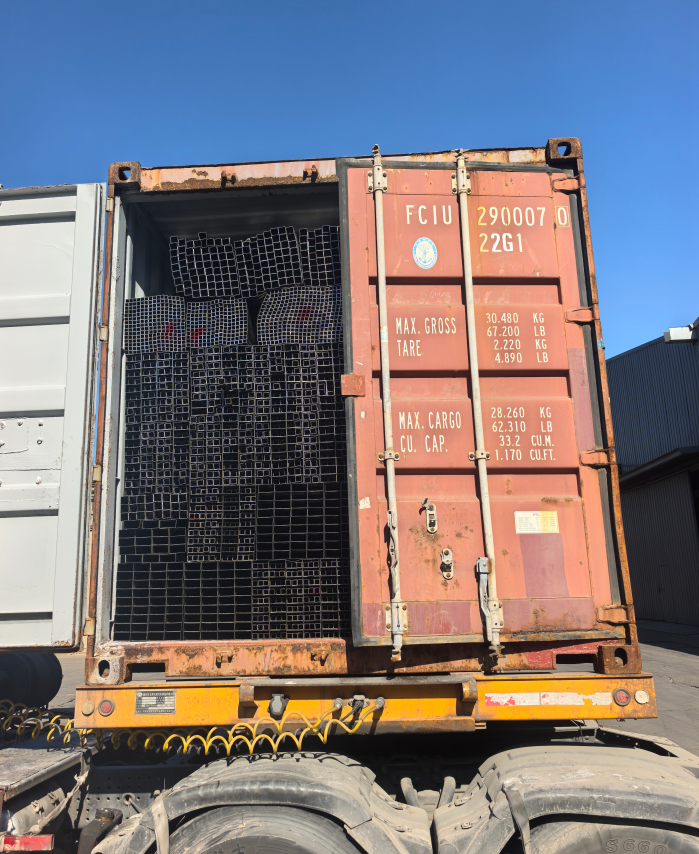
Transforming cold-formed tube into black annealed square and rectangular steel tubing requires a controlled, multi-step manufacturing process. While individual mills may refine procedures, the fundamental stages are standardized to ensure a uniform and reliable product.
High-quality steel strip is formed into square or rectangular shapes through continuous cold-rolling and welding. Dimensional accuracy and welding integrity are strictly controlled at this stage.
The formed tube enters a continuous annealing furnace, where it is heated to a defined temperature range. Inside the furnace, the tube undergoes:
Heating: raising to the annealing temperature to break down hardened microstructures.
Soaking: holding the tube at a stable temperature to achieve uniform metallurgical transformation.
Slow Cooling: allowing controlled cooling to prevent deformation and ensure softness and consistency.
After exiting the furnace, the tubes are straightened, cut to length, and surface-treated to achieve a smooth, dark black appearance. Each tube is inspected for dimensional accuracy, weld quality, mechanical properties, and surface finish.
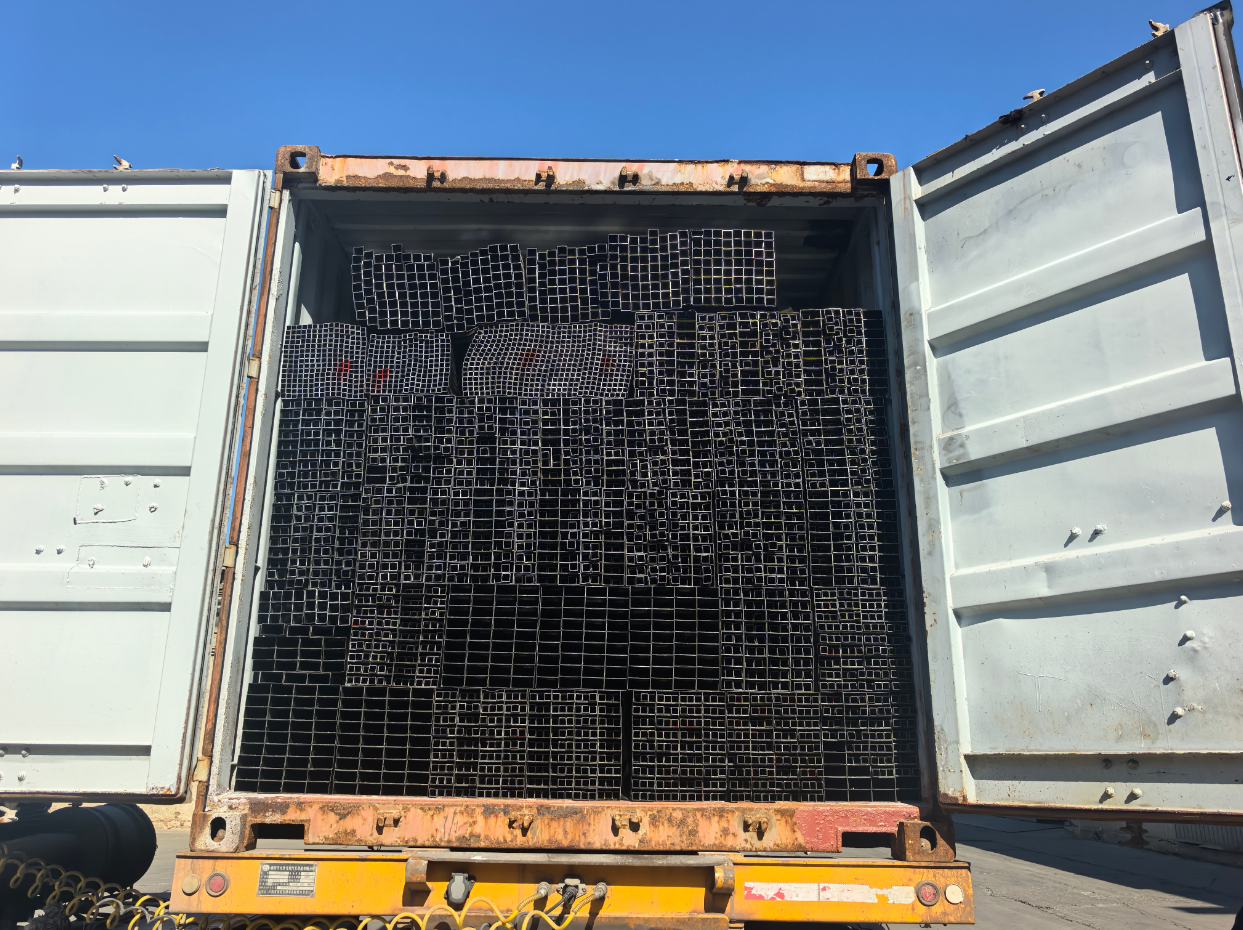
With excellent ductility, weldability, and processing convenience, black annealed square and rectangular tubes are widely used across multiple sectors.
Ideal for producing tables, chairs, bed frames, office fixtures, and other products that require clean appearance, stable strength, and ease of fabrication.
Used in vehicle seat frames, brackets, support structures, and lightweight components where formability and controlled strength are essential.
Applied in partition systems, window and door frames, ceiling structures, and decorative frameworks thanks to their smooth surface and easy weldability.
A popular material for general fabrication, equipment frames, racks, and welded assemblies that require reliable mechanical performance.
Used in pallet racks, shelving, trolleys, and storage systems due to their balance of strength and cost-efficiency.

Copyright © Tianjin Credit Import and Export Trading Co., Ltd.All Rights Reserved | Sitemap
Technical Support: