Deformed Steel Rebar: A Reliable Backbone for Modern Structural Reinforcement
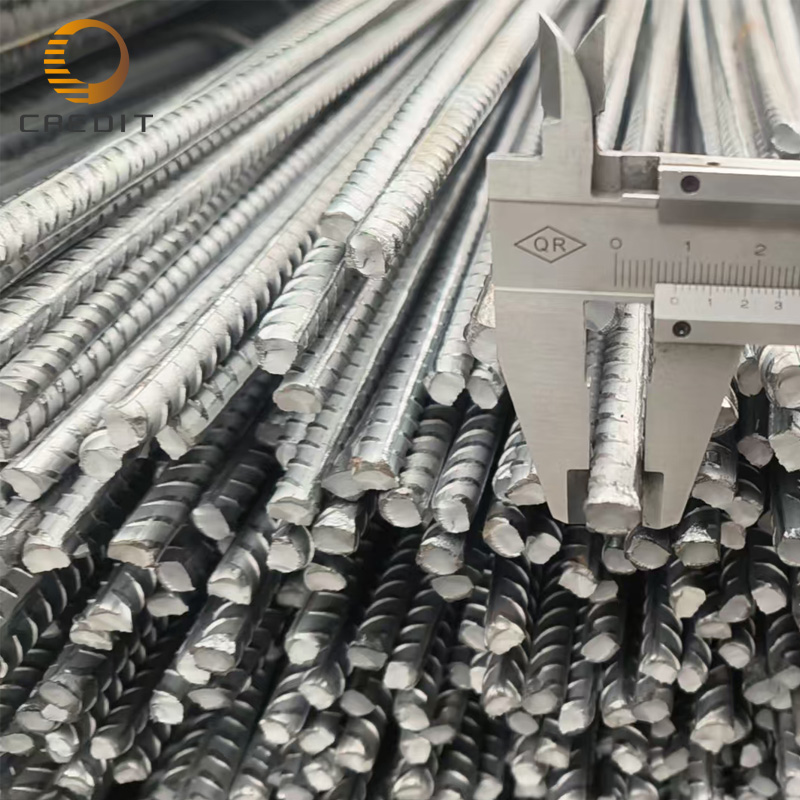
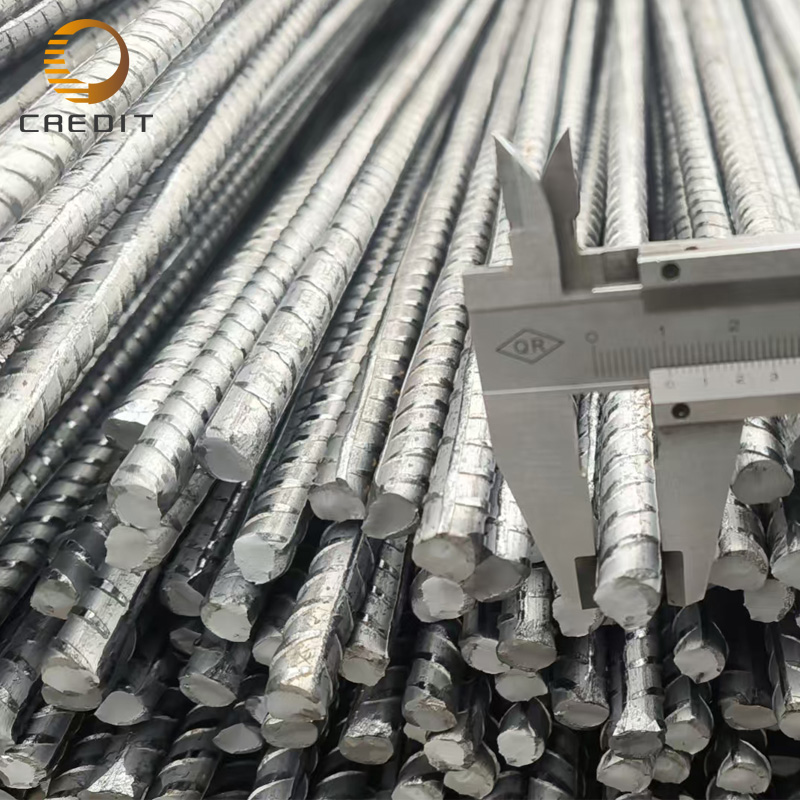
Deformed steel rebar continues to play a critical role in strengthening today’s rapidly evolving construction industry. Manufactured from high-quality carbon steel billets and processed through advanced hot-rolling techniques, rebar features a ribbed surface that significantly enhances bonding strength with concrete. This mechanical interlock ensures superior load distribution and structural stability, making it an essential reinforcement material for residential buildings, commercial complexes, bridges, highways, and large-scale infrastructure projects.
General Specifications
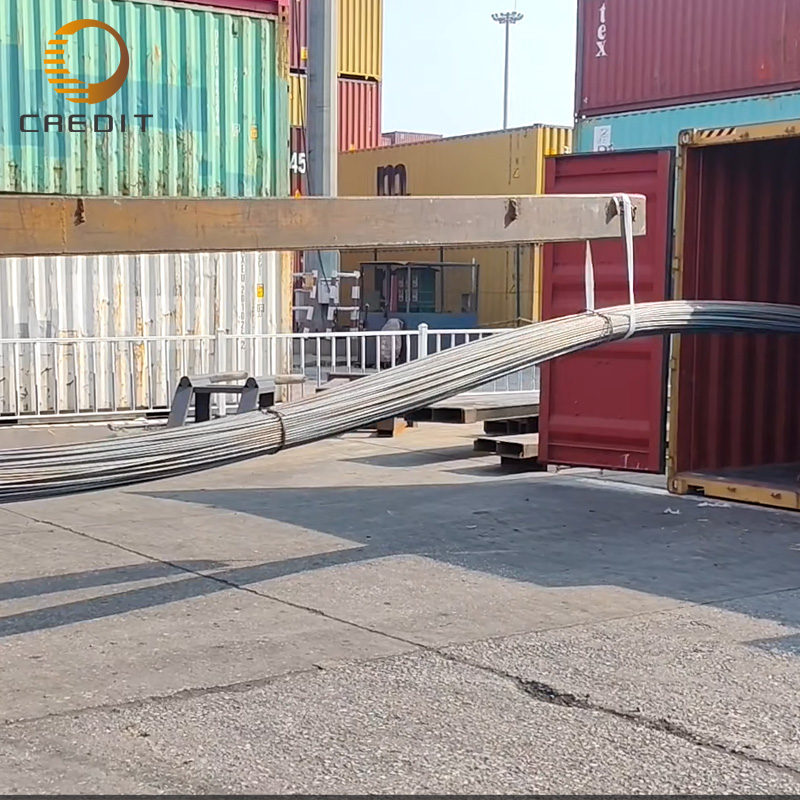
Diameter Range: 6–50 mm
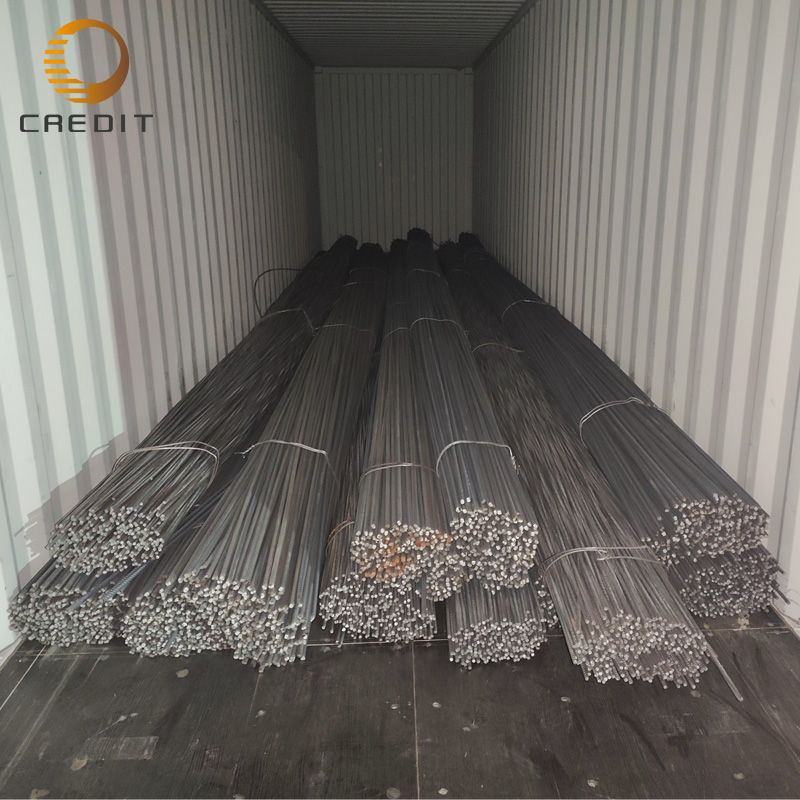
Length: 6 m, 9 m, 12 m, or customized
Standards: ASTM A615, BS4449, HRB400 / HRB500 (China GB standards)
Surface Type: Ribbed (deformed), customized patterns available
Core Advantages
The performance of deformed steel rebar is defined by its strength, ductility, and long-term reliability.
Engineered for high tensile strength and excellent ductility, rebar enhances the load-bearing capacity of reinforced concrete structures while maintaining flexibility under stress. This allows structures to better absorb dynamic loads such as earthquakes, vibrations, and heavy traffic pressure.
The ribbed surface design ensures strong adhesion between steel and concrete, reducing slippage and improving overall structural integrity. This makes it particularly suitable for critical load-bearing applications such as foundations, columns, beams, and slabs.
Rebar is also highly resistant to mechanical stress, including bending, stretching, and impact. When combined with proper concrete cover, it demonstrates reliable resistance to environmental factors such as moisture and moderate corrosion, ensuring a stable and durable performance over time.
With appropriate material selection and anti-corrosion treatment, deformed steel rebar can achieve a service life of several decades, supporting the longevity and safety of reinforced concrete structures.
Sustainability Commitment
Deformed steel rebar supports sustainable construction practices through its recyclability and efficient use of resources. Steel is one of the most recycled materials globally, and rebar can be reused or reprocessed at the end of its lifecycle, reducing environmental impact and promoting circular construction systems.
Processing & Application Flexibility
Deformed steel rebar offers excellent processing adaptability, making it suitable for a wide range of construction needs. It can be easily cut, bent, and welded according to project requirements, allowing for flexible design and efficient on-site installation.
Different grades and diameters meet diverse structural demands:
High-Strength Rebar (HRB400 / HRB500):
Designed for high-load applications such as high-rise buildings, bridges, and heavy infrastructure.
Medium/Low Diameter Rebar:
Ideal for residential housing, slabs, and light structural reinforcement.
Customized Processing (Cut & Bend Service):
Pre-processed rebar solutions improve construction efficiency and reduce labor costs on-site.
Each application ensures optimal structural performance while maintaining cost-effectiveness and construction efficiency.
Conclusion
Deformed steel rebar delivers a powerful combination of strength, durability, and adaptability. Its superior bonding with concrete, excellent mechanical performance, and long service life make it a fundamental material in modern construction. From residential foundations to large-scale infrastructure, rebar provides the structural integrity and reliability required to meet today’s engineering and safety standards.

Copyright © Tianjin Credit Import and Export Trading Co., Ltd.All Rights Reserved | Sitemap
Technical Support: